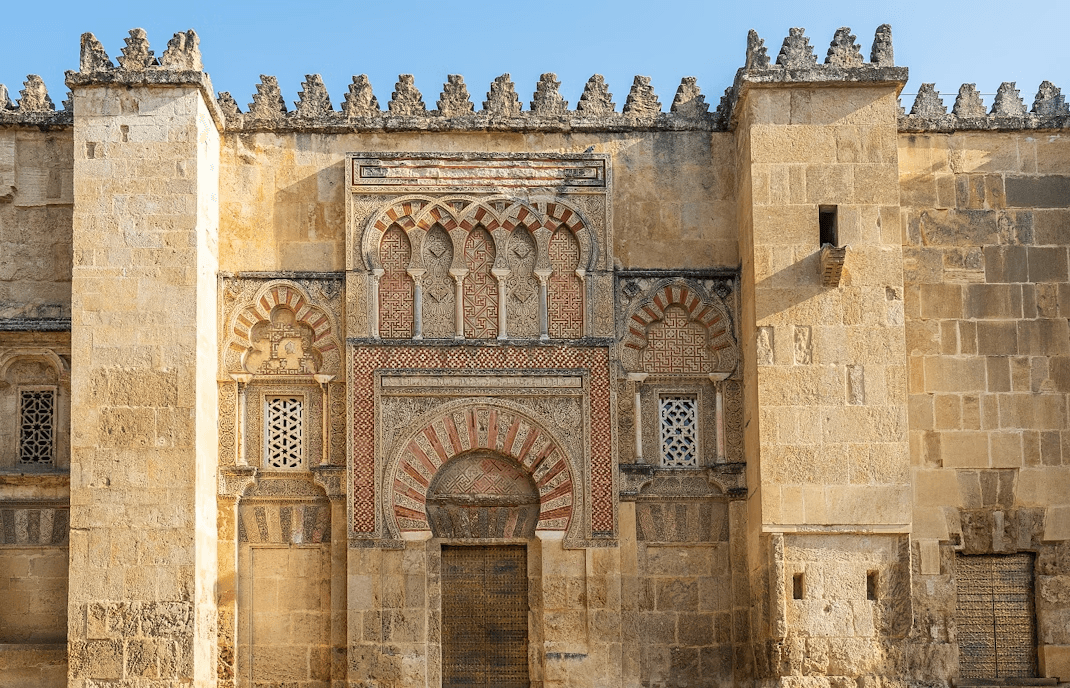
History of the Mosque-Cathedral of Córdoba | From Mosque to Cathedral
Step into the layered past of the Mosque-Cathedral of Córdoba—a site that began as a modest Visigothic church, evolved into a grand Umayyad mosque in 784 AD, and later transformed into a Christian cathedral during the Renaissance. Its story reflects the shifting cultural and religious landscape of Córdoba.
Historical Timeline
Pre-784 AD: Remnants of a Visigothic church hint at the site’s early Christian origins.
784 AD: Construction begins on the Umayyad mosque, establishing Córdoba as a center of Islamic art and power.
Islamic Expansions: Successive rulers expand the structure, enriching it with exquisite arches and ornate details.
Reconquista (13th Century): Following the Christian reconquest, the mosque undergoes major modifications.
1500s: A Renaissance cathedral is inserted within the mosque’s structure, including the conversion of the minaret into a bell tower.
Modern Era: Recognized as a UNESCO World Heritage site, the building stands as a testament to Córdoba’s multicultural heritage.
Key Eras in the History of the Mosque-Cathedral
Origins: The Visigothic Basilica
Before the mosque’s construction, the site was home to the Visigothic Basilica of San Vicente Mártir (6th century). When the Moors conquered Córdoba in 711, the basilica was divided for shared use by Christians and Muslims before being purchased outright to build a mosque.
Construction of the Great Mosque
Founded: 785 CE by Emir Abd al-Rahman I.
Key Features: Iconic double-tiered arches, marble columns, and a hypostyle prayer hall.
Expansions: Successive rulers enlarged the mosque:
Abd al-Rahman II (833 CE): Added a new minaret.
Al-Hakam II (961 CE): Expanded the prayer hall, created the stunning mihrab (prayer niche).
Al-Mansur (987 CE): Extended the mosque to its current vast size.
By the 10th century, Córdoba was the capital of Al-Andalus and one of Europe’s most advanced cities, with the Mezquita at its spiritual heart.
Christian Conversion
In 1236, King Ferdinand III of Castile captured Córdoba, and the mosque was consecrated as a Catholic cathedral. Instead of demolishing the mosque, Christian rulers preserved most of its Islamic architecture, later adding Gothic, Renaissance, and Baroque elements.
16th Century: A Renaissance nave and transept were inserted into the center of the mosque, creating the hybrid mosque-cathedral seen today.
Bell Tower: Built over the original minaret in the 17th century.
Symbol of Cultural Fusion
The Mezquita stands as a living testament to religious coexistence and conflict in Iberian history. Its iconic red-and-white arches symbolize Córdoba’s golden age, while the cathedral core reflects Christian Spain’s dominance after the Reconquista.
UNESCO World Heritage Site
In 1984, UNESCO recognized the Mosque–Cathedral as a World Heritage Site, praising it as a masterpiece of religious architecture and a symbol of Andalusia’s rich cultural heritage.
Visiting Today
Modern visitors can walk through over 850 marble, jasper, and granite columns, admire the intricately decorated mihrab, and experience the contrast between the serene Islamic prayer hall and the soaring Christian cathedral nave.
Frequently Asked Questions about the History of the Mosque-Cathedral of Córdoba
Q: What is the historical timeline of the Mosque-Cathedral of Córdoba?
The timeline begins with Visigothic remnants, followed by the mosque’s founding in 784 AD, multiple Islamic expansions, the Christian reconquest leading to the cathedral’s insertion in the 1500s, and its eventual UNESCO designation.
Q: How did the site evolve from a mosque to a cathedral?
After the Reconquista, Christian rulers modified the existing mosque by inserting a Renaissance cathedral structure and converting the minaret into a bell tower, symbolizing the shift in religious dominance.
Q: Who were the key figures involved in its construction and modifications?
Numerous Umayyad rulers and later Christian monarchs played roles. Islamic architects expanded the mosque, while Christian leaders oversaw the cathedral’s integration and subsequent renovations.
Q: What cultural and religious significance does the site hold?
The mosque-cathedral encapsulates Córdoba’s multicultural legacy. It reflects Islamic artistic mastery, Christian reinterpretation, and remains a potent symbol of religious confluence and historical continuity.
Q: How did the architectural styles change over time?
Initially built in the Umayyad style, the building later incorporated Gothic and Renaissance elements during its transformation into a cathedral, resulting in a fusion of Islamic and Christian architectural features.
Q: What major historical events impacted the Mosque-Cathedral?
Key events include the Islamic conquest and expansion during the Umayyad period, the Christian Reconquista, and the transformative renovations of the 1500s, all of which reshaped its structure and significance.
Q: Why is it a UNESCO World Heritage site?
The site is recognized for its unique blend of mosque and cathedral architecture, its historical importance in both Islamic and Christian contexts, and as a testament to the evolving cultural heritage of Córdoba.
Q: What are the Visigothic remains under the mosque?
Beneath the current structure lie the foundations of a Visigothic church, offering tangible evidence of the site’s early Christian heritage prior to the Islamic conquests.
Q: How did the Reconquista affect the building?
With the Christian reconquest, the mosque was repurposed to serve as a cathedral. Significant renovations—including the insertion of Renaissance features—altered its original Islamic character while preserving its historic fabric.
Q: What is the story behind the bell tower conversion from the minaret?
During the cathedral’s insertion, the former minaret was transformed into a bell tower. This conversion symbolizes the building’s layered history and the blending of Islamic architectural design with Christian liturgical needs.
© Colosseum Tickets 2024